Dunellen General Contractor Offering Complete Construction Solutions
Dunellen General Contractor Offering Complete Construction Solutions
Blog Article
Why Determining the Best General Contractor Is Key for Your Project
Determining the right general contractor is a pivotal decision that can greatly shape a project's completion. A suitable contractor guarantees productive administration and adherence to budgets. Their expertise to navigate challenges and copyright clear communication is essential. However, many project participants overlook key factors in this selection process. Recognizing these features can point to better results and boosted satisfaction. What should one consider when making this notable decision?
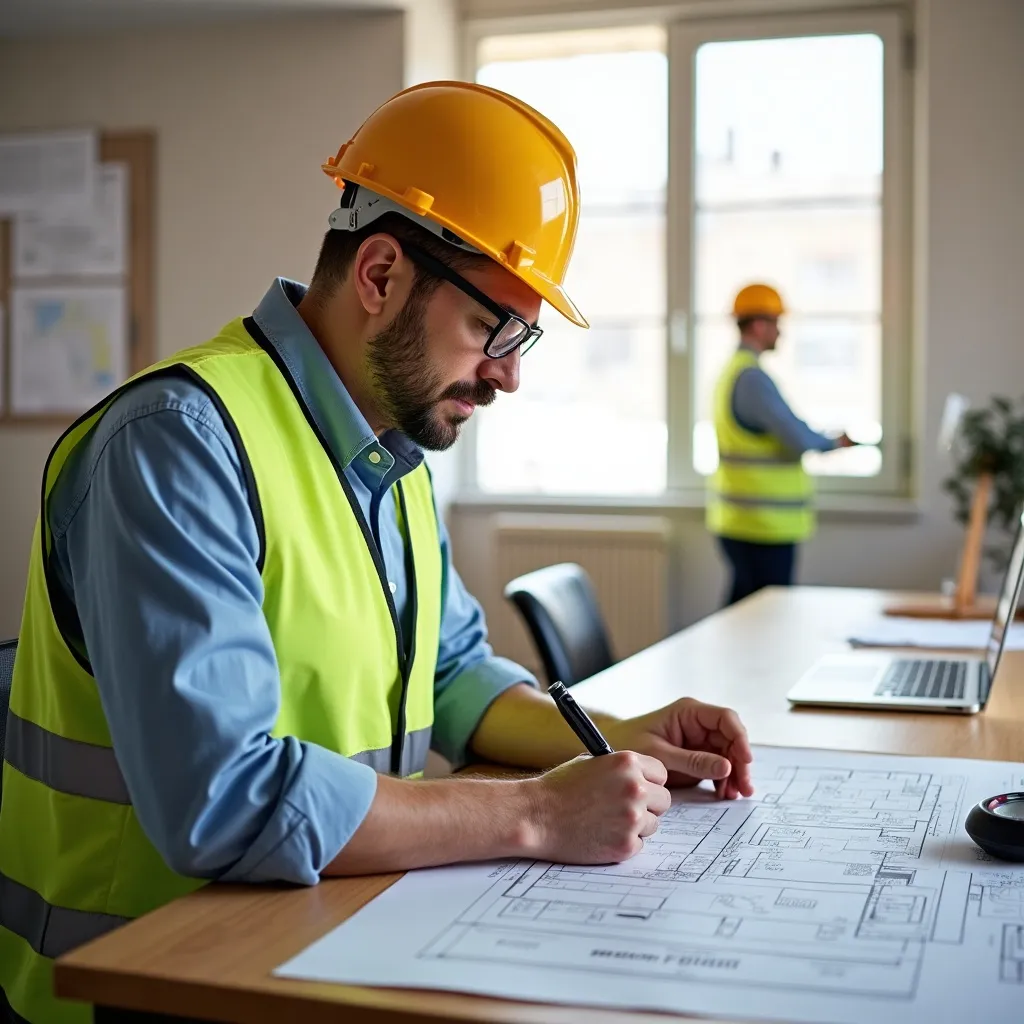
Routine Struggles in Choosing a General Contractor
When choosing a general contractor, prospective customers often face several common difficulties that can hinder the selection process. One major obstacle is the overwhelming number of choices on offer, which can lead to confusion and indecision. Clients may struggle to distinguish among contractors based on qualifications, experience, and pricing, making it difficult to identify who will best satisfy their construction requirements.
Another difficulty is the lack of transparency in contractor proposals, where concealed expenses may emerge later, impacting the project budget. Furthermore, clients may face issues concerning communication; some contractors may fail to keep clients informed throughout the procedure, causing frustration. In conclusion, clients often grapple with verifying a contractor's credentials and past work, which can result in uncertainty about the level of service quality expected. These challenges require thorough deliberation and research to ensure the correct decision is made.
The Value of a Trusted General Contractor
A reliable general contractor plays an essential role in guaranteeing project management productivity and maintaining quality assurance standards. Their skill helps streamline processes, reducing delays and costs. Additionally, a trustworthy contractor upholds excellence, resulting in excellent workmanship and client contentment.
Boost Project Oversight Speed
Efficient project management is contingent upon the dependability of a general contractor. A reliable contractor assures that timelines are followed, resources are properly allocated, and communication flows smoothly among all stakeholders. Their competence in coordinating subcontractors, suppliers, and laborers directly impacts the advancement and final success of the project. A trustworthy contractor expects challenges, implements solutions swiftly, and remains focused on project aims This effectiveness fosters a cooperative setting supporting necessary modifications and enhancements. Ultimately, the general contractor's dependability enhances both the operational facets of the project and confidence among clients and team members, guaranteeing alignment towards a favorable final outcome.
Quality Assurance Criteria
Reliable general contractors play a pivotal role in upholding standards of quality assurance throughout a project. They guarantee that all work meets established guidelines and industry standards, which is essential for the longevity and safety of the structure. A competent contractor maintains rigorous oversight of materials and workmanship, conducting regular inspections to detect and fix issues promptly. This proactive approach reduces risks associated with subpar construction, ultimately safeguarding the investment. Moreover, a reliable contractor promotes communication among all stakeholders, ensuring that expectations are clear and met. By prioritizing quality assurance, a skilled general contractor not only improves the final product but also builds trust with clients, laying the groundwork for successful project outcomes.
Analyzing a Contractor's Experience and Reputation
When selecting a general builder, comprehending their experience and track record is critical, as these factors greatly influence project results. A contractor's expertise typically reflects their ability to manage various kinds of projects, complexities, and obstacles. Examining their body of work provides perspective into previous projects, displaying craftsmanship and attention to detail.
Additionally, reputation serves as a vital factor in creating trust. Prospective clients should seek online reviews, testimonials, and references to evaluate satisfaction levels from previous clients. Engaging with past customers can demonstrate the contractor's reliability, communication skills, and adherence to timelines and budgets.
Moreover, industry affiliations and certifications can enhance a contractor's trustworthiness, demonstrating a dedication to excellence and moral practices. By thoroughly evaluating both experience and reputation, clients can make informed decisions, ultimately laying the groundwork for a thriving construction project.
Essential Characteristics of a Reliable Contractor
A reliable contractor regularly exhibits integrity, transparency, and strong interpersonal abilities. These vital qualities create the foundation of a prosperous working relationship. Honesty ensures the contractor adheres to ethical practices, providing truthful evaluations and practical timelines. Openness involves openly sharing assignment information, including costs and potential challenges, fostering trust between the contractor and the client.
Robust interpersonal skills allow the contractor to effectively communicate ideas, listen to client needs, and quickly address any issues that arise during the project. Furthermore, a dependable contractor demonstrates flexibility, responding to modifications and unforeseen circumstances with resilience and poise. Attention to detail analysis is an additional key trait; it reflects a commitment to excellence and precision in every aspect of the work. In the end, these characteristics not only enhance project outcomes but also add to a positive interaction for clients, making the selection of a trustworthy contractor all the more vital.
Critical Questions to Ask When Working With Your General Contractor?
How can one ensure they pick the right general contractor for their project? By asking a series of targeted questions, potential clients can more effectively evaluate candidates. To begin, asking about the contractor's experience with similar projects gives insight into their expertise. It's also vital to ask for references; speaking with previous clients can reveal the contractor's trustworthiness and quality of work.
Following this, examining licensing and insurance confirms that the contractor adheres to legal requirements and safeguards the client from possible liabilities. Clients should further ask about timelines and project management plans to measure how the contractor will handle the project effectively.
Budget conversations are essential; requesting a comprehensive quote prevents surprise expenses later. Finally, comprehending the contractor's communication preferences can set the groundwork for a productive working relationship. By tackling these key questions, clients can make informed decisions in selecting their general contractor.
Why Communication Matters With Your Contractor
Effective engagement with a contractor is vital for project success. Creating transparent expectations and offering regular communications can eliminate miscommunications that often lead to expensive setbacks. Additionally, encouraging an candid conversation builds rapport, ensuring a improved partnership throughout the construction process.
Transparent Objectives Foster Success
Creating well-defined expectations is crucial for a fruitful partnership with a general contractor. Strong communication establishes the basis for understanding the objectives, schedules, and budget limitations of the project. When both parties communicate their needs and concerns, it reduces the risk of misunderstandings that could derail progress. A contractor who knows the specific requirements can distribute resources effectively and address potential challenges in advance. Moreover, transparent expectations fosters accountability, making certain that the contractor keeps promises and that the homeowner remains involved throughout the process. By emphasizing open dialogue from the beginning, clients can improve collaboration and satisfaction, ultimately leading to a smoother project completion. Clear expectations not only simplify processes but also build trust between the homeowner and the contractor.
Timely Updates Avoid Miscommunications
Setting clear expectations builds the groundwork for successful partnership, yet regular contact is absolutely important. Regular updates from a general contractor can eliminate confusion that may occur throughout a project. If contractors consistently communicate progress information, clients stay abreast of timelines, budget revisions, and conceivable obstacles. Such anticipatory engagement functions to align both sides' expectations and decreases the risk of disagreements later. Moreover, if problems surface, rapid notification permits quicker resolutions, maintaining the work on track. Through establishing a culture of transparent communication, contractors demonstrate their dedication to the work's achievement, in the end producing a smoother workflow and greater customer happiness. Thus, timely communications serve as a cornerstone in maintaining clarity and trust throughout the building process.
Open Communication Strengthens Trust
While a project advances, keeping an frank conversation with the general contractor becomes vital for nurturing trust and collaboration. Effective communication assures that all involved parties have a thorough understanding of expectations, timelines, and potential difficulties. When contractors and project owners take part in regular discussions, it allows for the detection of issues before they intensify, limiting delays. This transparency not only builds confidence but also enhances the overall construction journey. Additionally, an established communication pathway invites suggestions, enabling the construction manager to make changes that align with the client's vision. Conclusively, robust dialogue establishes a foundation of mutual respect, which is essential for the effective completion of any construction work. Trust cultivated through interaction leads to superior results for everyone engaged.
Commonly Asked Questions
What steps should I follow to confirm if a Contractor has a valid License?
To confirm if a contractor is duly licensed, one should inspect local registration agencies and web portals, confirm their license number, and establish it's active. Additionally, looking at online reviews can provide awareness of their professional standing and consistency.
What Insurance Should My Contractor Carry?
A service provider should carry comprehensive liability coverage, worker injury protection, and, if necessary, professional liability insurance. These safeguard against potential damages, workplace injuries, and defects in work quality, ensuring economic security for both the contractor and the client.
How Can I Check a Builder's References?
To confirm a contractor's references, one should request a compilation of past customers, contact them directly, and ask regarding their feedback. Additionally, examining online reviews and ratings can offer useful information into the contractor's reliability.
What Might I Do if Issues Happen During the Engagement?
If difficulties surface during the project, one should document the concerns, engage directly with the contractor, and achieve a resolution. If required, engaging a mediator or consulting a legal professional may also be appropriate.
Are There Red Flags to Watch for During the Recruitment Process?
Red warning signs during the hiring process include vague estimates, missing credentials, poor communication, incomplete licenses, and unfavorable ratings. These signals suggest possible problems that could affect the quality and schedule of the project.
Report this page